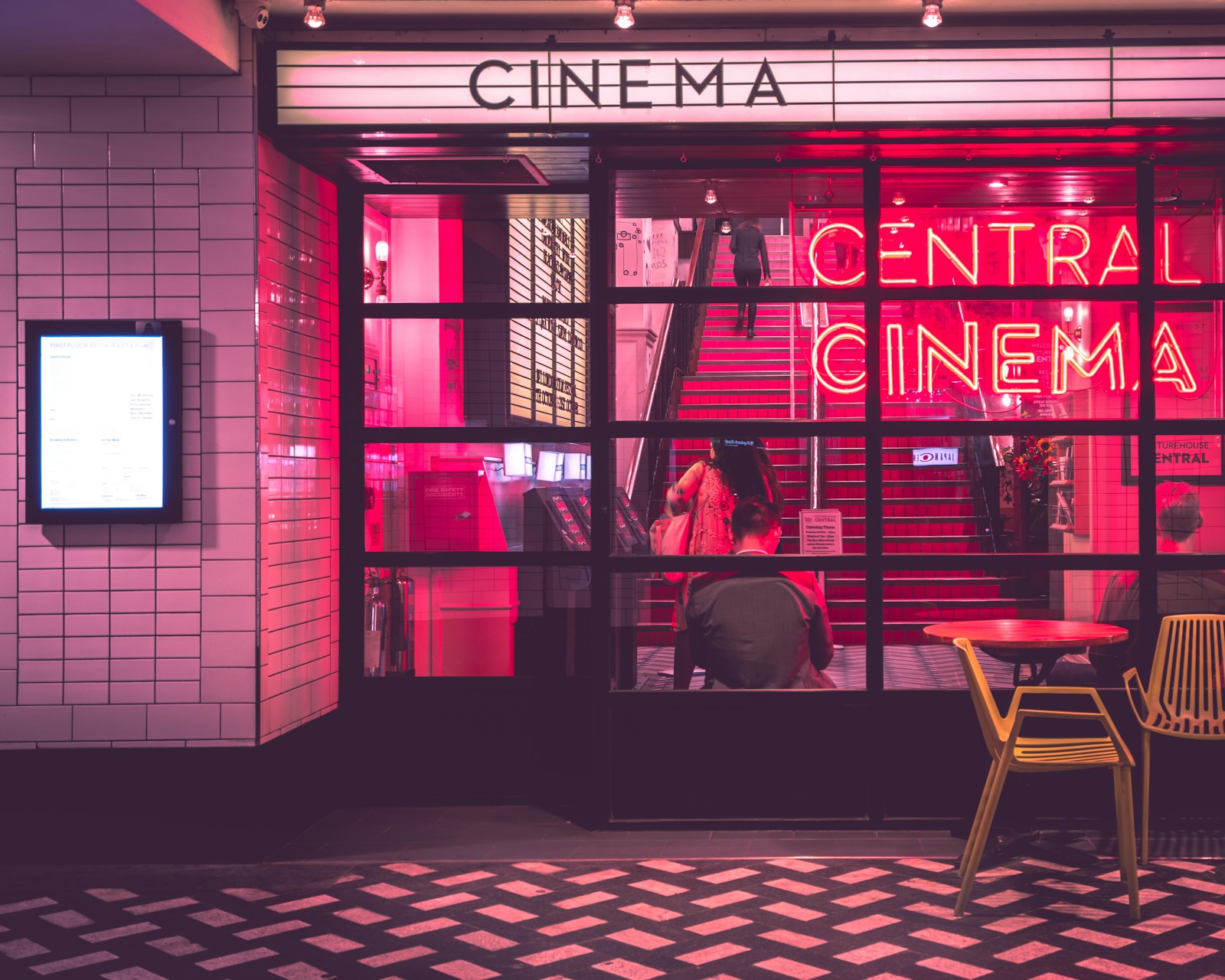

Action movies have changed dramatically throughout the history of cinema. What began with silent-era stunt spectacles and adventure serials eventually developed into one of the most recognizable genres in modern filmmaking. From samurai epics and martial-arts classics to science-fiction blockbusters and high-speed thrillers, action movies have repeatedly introduced new ways to tell stories through movement, suspense and visual spectacle.
The genre itself is difficult to define because action has always overlapped with adventure, science fiction, crime, war and even comedy. The British Film Institute notes that action sequences were present across several different types of cinema long before "action movie" became a distinct category. By the 1960s and 1970s, however, the genre was becoming increasingly recognizable, with stars such as Bruce Lee and the emergence of major action franchises helping establish its modern identity.
Here are 10 must-watch action movies that helped shape the genre and influenced generations of filmmakers.
10. The General (1926)
Long before modern blockbusters filled theaters with elaborate effects, Buster Keaton was creating extraordinary action sequences with practical filmmaking and physical comedy.
Directed by Buster Keaton and Clyde Bruckman, The General follows railroad engineer Johnnie Gray during the American Civil War. The story combines comedy, romance and adventure, but its train sequences give the film a surprisingly modern action-film quality.
Keaton's physical performances and elaborate train set pieces demonstrate how much excitement could be created through timing, movement and carefully designed environments. BFI has included The General among its great action films and has highlighted Keaton's remarkable stunt work and the film's kinetic energy.
Nearly a century later, its influence can still be seen in action movies built around elaborate chases and physical comedy.
9. Seven Samurai (1954)
Akira Kurosawa's Seven Samurai is one of the most influential action films ever made.
The story follows seven samurai who are recruited by farmers to defend their village against repeated attacks from bandits. Instead of rushing directly into the action, Kurosawa spends substantial time developing the characters, preparing the village and establishing the relationships between the samurai and the people they have agreed to protect.
That preparation makes the later battles considerably more meaningful.
BFI describes Seven Samurai as a touchstone for action movies and notes its enormous influence on subsequent westerns and action films. The movie's use of multiple cameras, physical geography and changing weather conditions helped create an unusually immersive approach to large-scale action.
Its influence is especially clear in the familiar action-movie structure of assembling a team of specialists for an apparently impossible mission.
8. Raiders of the Lost Ark (1981)
Steven Spielberg's Raiders of the Lost Ark showed how an action movie could combine adventure, humor, mystery and spectacular set pieces without losing its sense of fun.
Harrison Ford stars as Indiana Jones, an archaeologist who becomes involved in a race to locate the Ark of the Covenant before the Nazis can obtain it. The movie constantly moves from one dangerous situation to another, giving the audience a succession of memorable locations and sequences.
From its famous opening temple sequence to the later pursuit through the streets and countryside, Spielberg maintains a remarkably clear sense of movement and geography.
BFI highlights Spielberg's ability to construct major set pieces while keeping the film playful and accessible.
The result became a blueprint for the modern action-adventure movie and helped make Indiana Jones one of cinema's most recognizable heroes.
7. Aliens (1986)
James Cameron's Aliens demonstrated how a sequel could transform the style of its predecessor while creating an action movie with its own identity.
Sigourney Weaver returns as Ellen Ripley, who joins a team sent to investigate a human colony after communications are lost. The film gradually moves from science-fiction mystery into increasingly intense action as the characters attempt to survive an overwhelming threat.
What makes Aliens particularly effective is its escalation. Cameron allows the audience to understand the characters and environment before steadily increasing the pressure.
BFI praises the film for its storytelling, pacing, world-building and sustained action sequences, while also noting how Ripley became an enduring action icon.
The movie remains an important example of how character development can make large-scale action more emotionally effective.
6. Die Hard (1988)
Die Hard changed the formula for the action hero.
Bruce Willis plays John McClane, a New York police officer who becomes trapped inside a Los Angeles skyscraper after criminals take control of the building. Rather than presenting McClane as an unstoppable superhuman figure, the movie makes him vulnerable and forces him to rely on determination and improvisation.
That approach helped make the character feel different from many action protagonists of the period.
Alan Rickman's Hans Gruber also became one of the genre's most memorable villains, providing a sophisticated contrast to McClane's rougher personality.
BFI describes Die Hard as a defining 1980s action movie and credits it with establishing a formula that influenced many films that followed.
Its influence can still be seen in action thrillers built around a confined location and an ordinary protagonist facing extraordinary circumstances.
5. Hard Boiled (1992)
John Woo's Hard Boiled represents the international influence of Hong Kong action cinema.
Chow Yun-fat stars as police officer Tequila, who becomes involved in an investigation that develops into a much larger conflict. Woo's filmmaking combines stylized movement, elaborate choreography and dramatic camera work.
The movie helped demonstrate that action cinema did not have to follow the Hollywood model. Hong Kong filmmakers had developed their own visual language, and Woo's work would subsequently influence filmmakers and action choreography outside Asia.
BFI includes Hard Boiled among its great action films and specifically highlights Woo's elaborate set pieces and visual style.
The film remains an important example of how international cinema helped reshape the language of mainstream action filmmaking.
4. The Legend of Drunken Master (1994)
Jackie Chan brought a completely different energy to action cinema.
The Legend of Drunken Master, also known as Drunken Master II, stars Chan as Wong Fei-hung and combines martial-arts action with comedy and elaborate physical performances.
The film's appeal comes from the precision and creativity of its fight choreography. Rather than relying on dialogue to carry the excitement, Chan's performance communicates personality through movement and timing.
BFI included the film in its selection of great action movies, praising the speed and scale of its fight sequences and Chan's physical performance.
The movie represents an important period when Hong Kong action cinema demonstrated just how expressive and inventive martial-arts choreography could become.
3. The Matrix (1999)
When The Matrix arrived in 1999, it changed the visual vocabulary of science-fiction action.
Directed by Lana and Lilly Wachowski, the film follows Neo, played by Keanu Reeves, after he discovers that the world around him is not what it appears to be. The story combines science fiction, philosophy, cyberpunk imagery and martial-arts choreography.
The movie's visual effects and distinctive approach to movement quickly became part of popular culture.
BFI describes The Matrix as almost genre-defining and highlights its combination of Hong Kong-inspired fight choreography and groundbreaking computer-generated imagery.
Its influence extended beyond science fiction. The film changed expectations for how action sequences could be filmed and helped establish a visual style that appeared repeatedly in movies and television during the years that followed.
2. The Bourne Supremacy (2004)
The early 2000s brought a more grounded and immediate style of action filmmaking, and The Bourne Supremacy became one of its defining examples.
Paul Greengrass directed the second film in the Bourne series, with Matt Damon returning as Jason Bourne. The story combines espionage, pursuit and personal conflict as Bourne attempts to understand the forces surrounding him.
The film's action is built around speed and immediacy rather than the larger-than-life spectacle associated with some earlier blockbusters.
BFI describes The Bourne Supremacy as an important example of modern action filmmaking, emphasizing its tactile style, close-quarters sequences and fast-moving chase scenes.
Its approach influenced the look and rhythm of many subsequent spy and action thrillers.
1. Mad Max: Fury Road (2015)
Few modern action movies have demonstrated the possibilities of large-scale practical filmmaking as effectively as George Miller's Mad Max: Fury Road.
Tom Hardy stars as Max Rockatansky, while Charlize Theron plays Imperator Furiosa, who attempts to escape the tyrannical Immortan Joe with several women from his stronghold.
The movie is structured largely around a massive pursuit across a post-apocalyptic landscape. Despite the simplicity of that basic setup, Miller fills the journey with elaborate vehicles, detailed production design, practical stunt work and carefully constructed action sequences.
BFI calls the movie a filmmaking tour de force and highlights its complex shot construction and economical storytelling.
The film also demonstrates how action can communicate story visually. Characters, vehicles, costumes and environments reveal information without requiring long explanations.
Its combination of practical effects, modern visual effects, editing and choreography made Fury Road one of the most distinctive action films of the 21st century.
Why These Movies Still Matter
These 10 films represent very different periods and styles of action filmmaking. The General demonstrated the possibilities of physical stunt comedy, while Seven Samurai established storytelling and team structures that filmmakers continue to use.
Raiders of the Lost Ark perfected the action-adventure formula, Aliens showed how character development could strengthen blockbuster action, and Die Hard helped redefine the modern action hero.
Meanwhile, Hard Boiled and The Legend of Drunken Master demonstrated the enormous influence of Hong Kong cinema. The Matrix transformed science-fiction action, The Bourne Supremacy helped popularize a more immediate style of modern action filmmaking, and Mad Max: Fury Road demonstrated the continued power of large-scale practical spectacle.
There is no single formula for what makes an action movie memorable. The genre has continued to evolve because filmmakers keep finding new ways to combine movement, character, suspense and visual storytelling.
These films remain essential viewing not simply because they contain exciting action, but because each helped expand the possibilities of what action cinema could be.

